
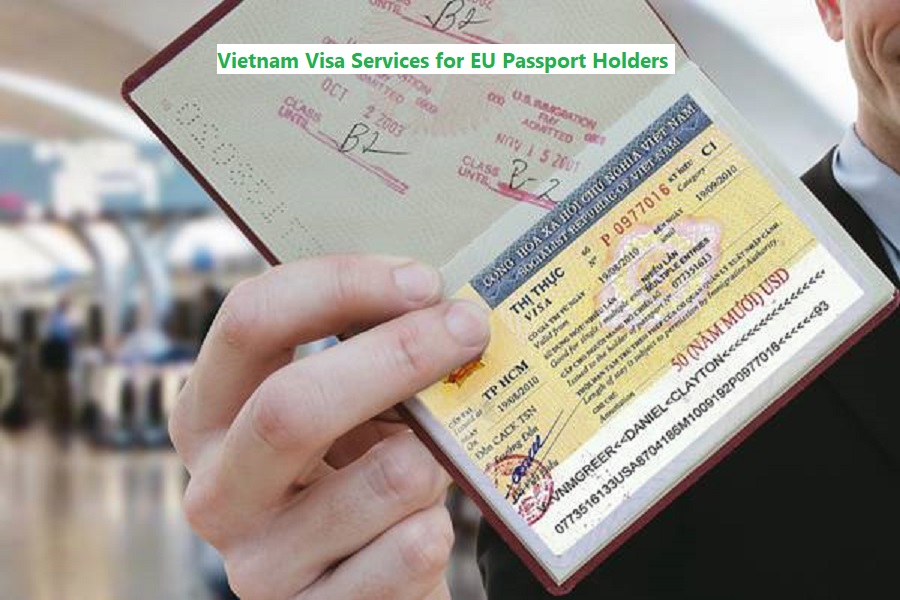
Discover essential information for EU citizens traveling to Vietnam, including detailed visa requirements, application processes, and tips for ensuring a smooth travel experience. Learn about various types of visas available, such as tourist, business, and e-visas, and understand the specifics of applying based on your country of origin. This comprehensive guide covers everything from necessary documentation and potential costs to local customs and safety tips for enjoying your stay. Prepare yourself with vital insights into the Vietnamese culture, transportation options, and emergency contacts for a rewarding adventure in Vietnam.
Understanding Visa Requirements for EU Citizens Traveling to Vietnam
For EU passport holders planning a trip to Vietnam, it is essential to be familiar with the specific visa requirements to ensure a smooth travel experience. Vietnam offers various types of visas that cater to different purposes of travel, including tourist visas, business visas, and electronic visas (e-visas), each with distinct application processes and regulations.
The tourist visa is a common choice for travelers intending to explore the scenic landscapes and rich culture of Vietnam. Generally, this visa vietnam allows a stay of up to 30 days and can be extended once while in Vietnam. Business visas are tailored for those traveling for work-related activities and may be valid for one month to one year, depending on the nature of the business engagement. In contrast, the e-visa option has gained popularity due to its convenience, allowing travelers from select countries, including many EU nations, to apply online for a single-entry visa valid for 30 days.
Application processes for these visas vary by EU nation, with some countries benefiting from visa exemptions or simplified procedures. For instance, passport holders from certain EU countries may enter Vietnam without a visa for short stays, while others might require a visa beforehand. The costs associated with different types of visas also differ. The standard tourist visa typically incurs a fee varying from 10 to 25 USD, depending on the chosen length and type of service. It is advisable to consult relevant Vietnamese diplomatic missions or official government websites for precise information regarding the duration of stay, fees, and special considerations pertinent to individual EU nations.
In preparation for travel to Vietnam, understanding these visa requirements can help EU passport holders minimize delays and ensure compliance with local regulations, thereby enhancing their travel experience.
Comparison of Vietnam Visa Services Available for EU Passport Holders
When it comes to obtaining a visa for Vietnam, EU passport holders have several options to consider. The primary services available include travel agencies, official government visa web portals, and online visa vietnam online platforms. Each service offers distinct advantages and drawbacks, making it essential for travelers to evaluate these options based on their individual needs.
Travel agencies often provide a comprehensive service, assisting with various travel arrangements alongside visa processing. The primary benefit of utilizing a travel agency is the personalized customer support, as agents can offer insights and assistance throughout the application process. However, this convenience may come at a higher cost compared to other options. Additionally, processing times can vary based on the agency’s workload and the complexity of individual cases.
In contrast, official government web portals provide a direct route for visa applications, allowing EU passport holders to access reliable information. These sites are generally regarded as trustworthy and secure; however, the main downside can be the user interface and lack of customer support. Applicants may experience delays or confusion regarding processing times, as the government systems can sometimes be overwhelmed by requests.
Online e-visa platforms have gained popularity due to their straightforward application processes and faster turnaround times. These platforms often promise features like instant approval notifications and electronic visa issuance, which enhances convenience for travelers. Nonetheless, it is critical to ensure the platform selected is credible to avoid issues such as excessive fees or visa rejections.
When deciding which service provider to utilize, travelers should consider factors such as processing speeds, customer service quality, and overall reliability. Conducting thorough research and reading reviews can also guide EU passport holders toward making informed choices.
See also this article: Temporary Resident Card (TRC) service required
Step-by-Step Guide to Applying for a Vietnam Visa as an EU Citizen
Applying for a Vietnam visa as an EU citizen involves several key steps that need to be followed meticulously to ensure a smooth experience. First, it is essential to determine the type of visa required for your purpose of visit, whether for tourism, business, or other reasons. Ensure you have a valid EU passport that will not expire within six months of your intended departure date from Vietnam.
The second step involves gathering the necessary documentation. Commonly required documents include your passport, a recent passport-sized photograph, and a completed visa application form. It is advisable to check with the nearest Vietnamese embassy or consulate as additional documents may be necessary, such as a flight itinerary or hotel booking confirmation.
Next, complete the visa application form accurately, ensuring that all personal information matches your passport to avoid discrepancies. An incorrect form can lead to delays or potential rejections. After filling out the form, proceed to submit your application along with all required documents. This can often be done in person at the embassy or consulate, but many EU citizens also choose to apply online for convenience.
Once the application is submitted, you will need to pay the required visa fee. Payment methods and amounts can vary, so it’s recommended to confirm this with the relevant authority beforehand. Be aware of potential pitfalls during this process, such as not meeting the specific visa category requirements or failing to submit all documents, which could result in your application being rejected. If this occurs, review any feedback provided and be prepared to resubmit with the necessary corrections. Additionally, keep open lines of communication with the embassy or the visa service agency if you have questions or need clarification on your application status.
Tips for a Smooth Travel Experience in Vietnam for EU Passport Holders
Traveling to Vietnam can be an exciting adventure for EU passport holders, but it is essential to prepare adequately to ensure a smooth experience. One of the first considerations should be health and safety. It is advisable to check any required vaccinations and consult a healthcare provider about health precautions prior to leaving. Additionally, it is wise to purchase travel insurance that covers medical emergencies.
Understanding cultural etiquette is also critical. Vietnamese people are known for their hospitality, and acknowledging local customs can enrich your experience. For instance, greeting locals with a smile, using both hands when giving or receiving items, and removing shoes before entering homes are generally appreciated gestures. Learning basic Vietnamese phrases can also endear you to locals, enhancing your interactions.
When it comes to local laws, familiarity with regulations is paramount. Vietnam has strict laws regarding drug use, and violation of these can lead to severe consequences. Travelers should also be aware of the importance of respecting local traditions, particularly when visiting religious sites.
Concerning transportation options, getting around in Vietnam can be done efficiently through various means. Taxis and ride-hailing applications are widely available in major cities. Alternatively, renting a scooter is an option for those comfortable navigating traffic. However, always ensure to wear a helmet and understand local traffic rules to avoid accidents.
Exchanging currency should not pose significant difficulties, as ATMs are widely available, and credit cards are accepted in many establishments. Nonetheless, small transactions are often more convenient in cash, so carrying Vietnamese Dong is advisable. For accommodation, a range of options exists, from luxury hotels to budget hostels, catering to varying preferences.
Lastly, familiarizing yourself with emergency contacts, such as the nearest embassy, police, and hospitals, can provide peace of mind during your travels. By paying attention to these tips, EU passport holders can enhance their overall travel experience in Vietnam, ensuring a rewarding visit.
Liên hệ đơn vị
VisaVietnamOnline
- Address: 1728 Big Canyon Trail, Carrollton, TX 75007, US
- Phone: +1(972)-666-0676
- WhatsApp:(+84)968 18 77 18
- Email:[email protected]
- Website: visavietnamonline.org